
Inflation Drops to Lowest Level in 4 Years. Economic Shifts & Market Insights: What It Means for Real Estate in Los Angeles & Beverly Hills
As we move through the second quarter of 2025, the economic landscape continues to evolve—and while recent national data didn’t deliver dramatic surprises, it did offer valuable insights for homebuyers, sellers, and investors in the Los Angeles and Beverly Hills luxury real estate markets.
A Look at Jobs, Wages, and Inflation
The April employment report showed the U.S. economy added 177,000 jobs, outperforming expectations of 130,000. However, downward revisions to previous months muted the overall impact. The unemployment rate held steady at 4.2%, signaling a still-resilient labor market. Average hourly earnings rose 3.8% year-over-year, matching the prior month’s pace—important for gauging consumer confidence and spending power in high-cost markets like Beverly Hills.
For luxury real estate, this employment stability is key. High-net-worth individuals and executives often make real estate decisions based on long-term confidence in the economy. In both Beverly Hills and greater Los Angeles, we’re seeing continued interest from well-qualified buyers who are undeterred by broader market volatility.
GDP Dips—but Not All Is as It Seems
Gross Domestic Product (GDP), the most comprehensive measure of U.S. economic activity, contracted by 0.3% in Q1 2025—missing forecasts of +0.4% and sharply down from 2.4% growth in Q4 2024. However, much of this drop was driven by a 41% spike in imports as businesses raced to buy goods before new tariffs took effect. This one-time event shaved a substantial five percentage points off the GDP total.
Why does this matter for the Los Angeles real estate market? Because the region—especially luxury enclaves like Beverly Hills, Bel Air, and Brentwood—often draws international buyers whose wealth is tied to global trade and capital flows. A temporary slowdown due to tariff-related activity may give way to a rebound in future quarters as inventories stabilize and consumer spending recalibrates.
Inflation Eases, But the Fed Remains Cautious
The Federal Reserve’s preferred inflation metric, Core PCE (Personal Consumption Expenditures), rose 2.6% year-over-year in March—down from 3.0% the month prior and now at its lowest level since March 2021. While this represents progress toward the Fed’s 2.0% inflation target, it’s been a slow and uneven journey. Importantly, any inflationary pressure from new tariffs could complicate the Fed’s timing for rate cuts.
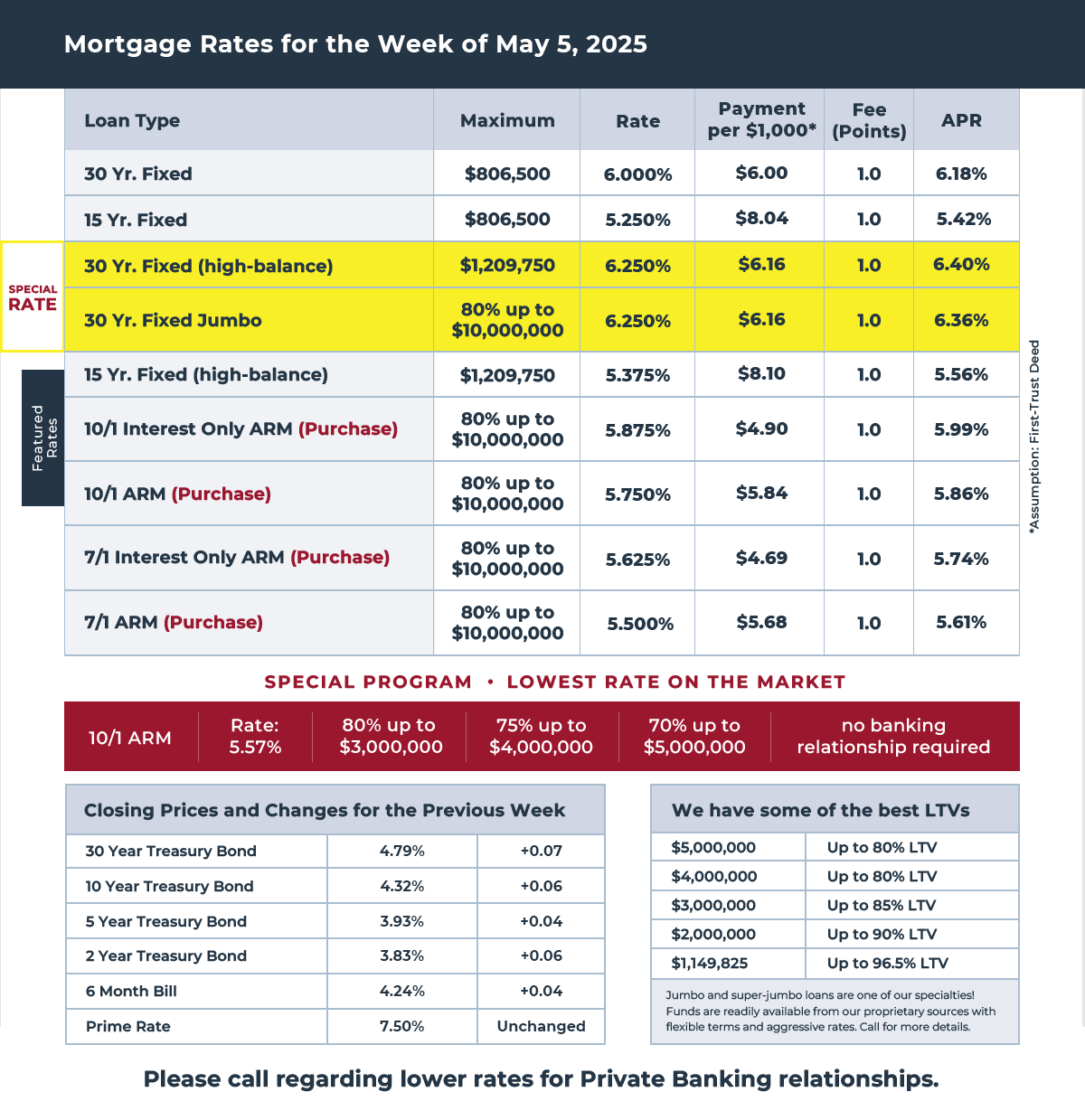
For homebuyers in Los Angeles and Beverly Hills, this matters because mortgage rates often respond directly to inflation expectations and Fed policy. While rates held relatively steady last week, any future volatility in inflation data could shift lending conditions quickly. For those considering a purchase in the luxury market, locking in favorable rates now—while prices remain steady—may prove wise.
What This Means for Beverly Hills and Los Angeles Real Estate
Here in Southern California, where real estate is both a lifestyle choice and a long-term investment, staying informed is essential. Despite national fluctuations in GDP and trade, the Beverly Hills and Los Angeles markets continue to benefit from enduring global demand, limited inventory, and the unmatched appeal of world-class neighborhoods.
Whether you're looking to buy, sell, or invest in luxury real estate, understanding how macroeconomic trends affect local markets can help you make confident decisions. As always, I’m here to offer personalized guidance and deep insight into what’s next.
Let’s connect if you’d like to discuss how this economic environment could impact your real estate goals.